
Post every day. Add a countdown timer. Book an influencer. Run a giveaway. Send another email.
Most event marketers have heard this advice so often it feels mandatory. And most have watched their dashboards light up with likes, impressions, and opens while registrations barely moved.
The problem isn’t effort. It’s that many popular tactics measure attention, not intent. They make a campaign look busy without helping the right person decide to attend.
Below are 10 event marketing tactics that get more hype than results, why each one underdelivers, and what to do instead.
1. Posting constantly on social media
Why it’s overhyped: Volume creates activity, not interest. When every post is a variation of “Register now, don’t miss out,” your audience learns to scroll past all of them, including the one that matters.
Do this instead: Post less, but give each post a reason to exist. Every post should teach, show, or ask something:
- A sharp takeaway from an upcoming session
- A 30-second clip of a speaker explaining one idea
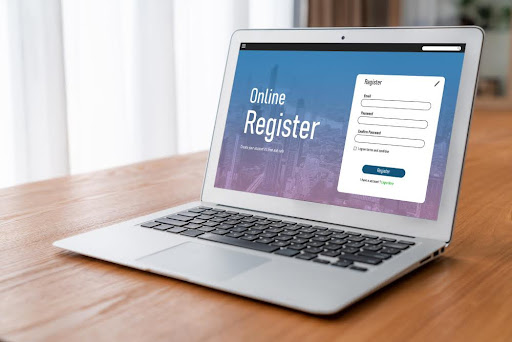
- A past attendee on what they changed after the event
- A behind-the-scenes look at the venue or agenda build
- A question your audience is already arguing about
The goal is for your event to become part of the industry conversation, not an ad inside it.
2. Chasing big influencers
Why it’s overhyped: Reach isn’t relevance. A creator with 200,000 general followers can deliver a spike in impressions and almost no registrations. A practitioner with 3,000 followers who all work in your field can fill a breakout room.
Do this instead: Recruit the people your audience already trusts:
- Your speakers and session moderators
- Past attendees who got real value
- Sponsors and exhibitors
- Association board members and chapter leaders
- Customers and partners with strong peer networks
Then make it easy for them. Give each advocate a ready-to-post message, a graphic, and a tracked registration link or promo code so you can see who actually drives sign-ups.
3. Running giveaways just for attention
Why it’s overhyped: A free iPad attracts people who want a free iPad. Your entry count and follower numbers climb, but the audience you gain has little interest in the event itself.
Do this instead: Make the prize something only a likely attendee would want:
- A VIP upgrade or backstage pass
- A small-group session with a keynote speaker
- Free access to a paid workshop
- A hotel night during the event
- A complimentary pass for a colleague
A smaller pool of genuinely interested entrants beats a large pool of prize hunters.
4. Promoting the speaker instead of the session
Why it’s overhyped: A big name earns attention, but a name alone doesn’t answer the attendee’s real question: What will I walk away with?
Do this instead: Lead with the outcome and let the speaker supply the credibility.
Instead of:
Jane Smith is speaking at our conference.
Try:
Learn how Jane Smith grew a customer community from 5,000 to 100,000 members without increasing her marketing budget.
The second version works even for people who have never heard of Jane.
5. Obsessing over follower count
Why it’s overhyped: Followers, likes, and impressions are easy to measure, so they get reported. But a campaign with 100,000 impressions and 20 registrations is losing to one with 5,000 impressions and 200.
Do this instead: Measure the path from campaign to registration:
- Registration page visits by source
- Page-to-registration conversion rate
- Registrations by campaign, channel, and promo code
- Abandoned registrations
- Cost per registration
The question isn’t “How many people saw it?” It’s “How many of the right people acted on it?”
6. Sending the same email to everyone
Why it’s overhyped: Email is still one of the strongest channels for event promotion. Blasting one message to your whole list wastes it. A past attendee, a first-time prospect, a sponsor, and someone who abandoned checkout all need different reasons to act.
Do this instead: Segment, then match the message to the reader:
| Segment | Lead with |
|---|---|
| Past attendees | What’s new this year and who’s returning |
| New prospects | The education and the problems the event solves |
| Executives and decision-makers | Networking, peers, and business outcomes |
| Members vs. non-members | Member pricing and member-only sessions |
| Abandoned registrations | A reminder of what they picked and a one-click way back |
The more an email feels written for its reader, the more likely they are to click.
7. Leaning on early-bird discounts
Why it’s overhyped: If someone doesn’t yet see why the event is worth attending, 10% off won’t convince them. Lean on discounts too hard and you train your audience to wait for a deal instead of valuing the event.
Do this instead: Sell the value first, then add the deadline. Before the early-bird push, make sure your audience knows:
- What they’ll learn
- Who they’ll meet
- Which problems the event helps them solve
- What makes this event different from the others competing for their budget
Value first. Urgency second.
8. Using fake scarcity
Why it’s overhyped: “Only a few tickets left!” with hundreds still available might get a click today. It also teaches your audience to ignore you the day seats really are running out.
Do this instead: Use urgency that’s real and specific:
- Early-bird pricing ends Friday at midnight
- The hands-on workshop is capped at 50 seats
- VIP passes are 80% sold
- The hotel room block closes March 15
Real deadlines create urgency without costing you trust.
9. Building an overly complicated event website
Why it’s overhyped: Long animations, deep navigation, and sprawling speaker grids can look impressive in a design review. For a busy visitor, they bury the one question that matters: Should I attend?
Do this instead: Design the page around that decision. Within a few seconds, a visitor should be able to find:
- What the event is and who it’s for
- When and where it happens
- What attendees will learn
- Who’s speaking
- What tickets cost
- How to register, with the button always in reach
Then keep the registration form short. Every extra field is another reason to leave. A beautiful page is nice; a clear page that converts is better.
10. Treating registration as the finish line
Why it’s overhyped: A registration is a promise, not an attendee. If you go quiet after checkout and reappear the day before, no-shows climb and engagement drops.
Do this instead: Plan a post-registration sequence as carefully as the promotional one:
- Confirmation with a calendar invite
- Speaker and agenda announcements as they’re finalized
- Session recommendations based on ticket type or interests
- Networking and meetup opportunities
- Travel, venue, and app details
- Reminders at one week and one day out
Attendees who feel invested before they arrive are far more likely to show up.
The cheat sheet
| Overhyped tactic | What to do instead |
|---|---|
| Posting constantly | Fewer posts that teach, show, or ask something |
| Chasing big influencers | Recruit trusted voices with tracked links |
| Attention-grabbing giveaways | Prizes only a likely attendee would want |
| Promoting the speaker | Promote the session’s outcome |
| Counting followers | Measure registrations by source and cost |
| One email for everyone | Segment by relationship and intent |
| Leaning on early-bird discounts | Value first, then a real deadline |
| Fake scarcity | Specific, honest urgency |
| A complicated event site | A page built around the decision to attend |
| Going quiet after registration | A post-registration sequence that drives attendance |
What actually works: remove the blocker
The most effective event marketing is rarely the flashiest. It starts with a better question than “What tactic should we try next?”
Ask: What’s stopping the right person from registering right now?
Usually it’s one of five things, and each has a fix:
| If they… | Try this |
|---|---|
| Don’t see the value | Lead with session outcomes and attendee stories, not logistics |
| Find the ticket options confusing | Cut to 3 or 4 clearly named ticket types with plain-language descriptions |
| Drop off during checkout | Shorten the form; ask only what you need to run the event |
| Need a manager’s approval | Offer a ready-to-send “justify your attendance” letter and a cost breakdown |
| Just haven’t gotten around to it | Send a timely, segmented reminder with a real deadline |
Fix the blocker and every other tactic you run starts working harder. That will do more for registrations than another viral post, influencer deal, or countdown timer.
Turn interest into attendance with Eventzilla
Great marketing earns attention. A great registration experience turns that attention into attendees.
Eventzilla helps you remove the blockers above, all from one place:
- Branded event pages that answer “Should I attend?” at a glance
- Flexible ticket types for members, VIPs, workshops, and groups
- Custom registration forms that collect what you need and nothing more
- Automated attendee emails to keep registrants engaged until the doors open
- Integrated payments and registration tracking so you can see what’s working
Trusted by organizers behind 50,000+ events worldwide, Eventzilla makes it easy for the right people to say yes.
Create your event today with Eventzilla. It is free to get started.